Showing posts with label vegetables. Show all posts

Friday, 22 November 2013

Maturity Signs and Harvesting of Tomato and Chilli

Maturity Signs of Tomato:
1. Harvesting depends upon the purpose for which they are used. Four maturity stages are generally recognized.
a. Green stage: The mature green fruits are generally harvested to send them to the distant market.
b. Pink Stage: At this stage colour turns to pink or red at the blossom end. They are picked for local market.
c. Ripe stage: At this stage surface of the most of the fruits is red and the soften of fruits begins.
d. Fully Ripe: At this stage fruits have approached maximum colour development and are soft. Starch is charged into sugars. They are generally consumed or used for canning and processing.
Harvesting of Tomato:
Depending upon the purpose for which they are used and market distance, tomatoes are harvested manually by plucking the fruits at different maturity stages.
Maturity Sings of Chilli:
1. Chillies are harvested at two stages, one for green vegetables and the other as dry chillies.
2. Green Chillies are harvested when they are fully mature and before they change from green to red.
3. Chillies for drying should be harvested when colour changes from green to red.
Harvesting of Chilli:
Depending upon the purpose for which chillies are to be used, fruits are picked either green or fully red ripe.

Maturity Signs and Harvesting of Bell Pepper


Maturity Signs of Bell Pepper:
1. Generally bell peppers are harvested in the mature green stage. They should be of good shape, waxy, firm and shiny.
2. Peppers for canning are allowed to attain full size and develop a red colour before harvesting.
Harvesting of Bell Pepper:
The sweet peppers are picked with an upward twist which leaves a piece of stem attached.

Maturity Signs and Harvesting of Bhendi and Pea

Maturity Sings of Bhendi:
1. Fruits are harvested when the pods are still mature, young and tender. They are harvested at an interval of 2 to 3 days.
2. The best time of harvest being 6 to 7 days after opening of flower.
3. Mature pods are fibrous, tough, and unit for human consumption.
Harvesting of Bhendi:
The tender young fruits 7 to 10 cm long should be harvested every alternate day. Frequent picking promote fruit development and enhances yield.
Maturity Signs of Pea:
1. Early varieties require 45 to 60 days and late varieties require 70 to 100 days from sowing.
2. Peas must be picked up at the proper stage of maturity , because they start loosing their rapidly after reaching the edible stage.
3. Quality depends upon sugar content and tenderness. With increasing maturity and size , sugar content declines rapidly, with a correspondence increase in starch and protein.
4. High sugar content is indication of high quality.
5. Harvest the pods when colour of pods changes from dark green to light green with good size.
Harvesting of Pea:
The pods should be harvested at proper maturity by picking at an interval of 12 to 15 days. Picking daily will injure the plant.

Maturity Signs and Harvesting of Potato and Cucumber

Maturity Sings of Potato:
1. Potatoes are harvested when they attain sufficient size. Early varieties 57 to 100 days, late varieties 120- 160 days.
2. Skin slipping from the tuber, starch content and leaf senescence or top drying are the harvest indices.
Harvesting of Potato:
Care should be taken to save the tuber from injury and immediately after harvest they should be left in the scorching sun. otherwise they develop sunscalds. Digging is done with spade or other hand tool. Suitable tractor operated potato diggers have been developed now. There should be optimum moisture in the soil at the time of harvest.
Maturity Sings of Cucumber:
1. Fruits are ready for harvest 45 to 55 days after sowing.
2. Harvest immature fruits.
3. In cucumber the proper stage of maturity is judged by size and not by the age of the fruit.
4. Cucumber for slicing should be picked when they are 15 to 35 cm long, whereas for pickling 6 to 15 cm long. In case of slices at marketable stage, spines on fruit becomes soft and fall down.
5. In general cucumber may be picked at any stage of fruit growth, provided yellowish has not started.
Harvesting of Cucumber:
The fruit should be picked at frequent intervals in order to avoid losses due to over sized or over mature fruits. They are generally picked at 2 to 4 days intervals depending on weather.
Original Article Here

Maturity Signs and Harvesting of Water Melon and Muskmelon

Maturity Signs of Water Melon:
1. Size of the fruits and colour of the rind are not good indicators.
2. Fruits are ready for harvest in 90 to 120 days from sowing.
3. Four criteria are commonly used in determining the maturity of the fruits:
a) Withering of tendril: The tendril accompanying the fruit withers as fruit ripeness.
b) Thumping: Ripe fruits when thumped with finger give out heavy dull sound, whereas the immature fruits give metallic sound.
c) The portion of fruit, which rests on the ground, turned yellowing at maturity.
d) Ripe fruits produce a crisp, cracking noise on being pressed with the flat of the hand.
Harvesting of Water Melon:
The well mature fruits are harvested manually with the help of sharp knife or by twisting.
Maturity Signs of Muskmelon:
1. Fruits will be ready for picking in about 110 days depending upon variety. There are two groups of cultivars which behave distinctly. In one group, the fruits when mature slips out easily from the vine with little pressure or jerk or if not it will remain separated from the vine next day. This is called full slip stage. In some Indian cultivars, green stripes on the skin begin to turn yellow during maturity.
Harvesting of Muskmelon:
Muskmelon is a climacteric fruit which ripens during transit and storage and hence, it is harvested before it is fully ripe.

Maturity Signs and Harvesting of Red Pumpkin and Gourds

Maturity Sings of Red Pumpkin:
1. Fruits require 110 to 120 days for maturity from sowing.
2. Fruits should be harvested at full stage of maturity when the rind has hardened.
3. Colour changes from green to yellow or orange. Some varieties remain green only after full maturity.
Harvesting of Red Pumpkin:
The fruits are harvested manually by keeping a portion of stem attached. The fruits are placed in heap and allowed to cure for a few days.
Maturity Signs of Gourds:
1. Tender fruits are harvested.
2. Proper stage of maturity in bottle gourd, sponge gourd and ridge is judged by
a) Its fruit size
b) The gentle press of finger nails which easily penetrate the epidermis.
c) Plugging the fruits which show fine tender flesh and quite immature seeds. However, this test makes the fruit unfit for market.
3. In most cases fruits require 12 to 15 days after pollination to attain marketable size.
Harvesting of Gourds:
Harvesting is done at short intervals. The fruits are harvested manually by keeping a portion of stem attached.
Source : agriinfoa

Maturity Signs and Harvesting of Sweet Potato

Maturity Sings of Sweet Potato:
1. They are harvested 3.5 to 4 months after planting.
2. Leaves start yellowing
3. After cutting the tuber if white gum remains white, then they are ready for harvest , it it turns blackish on green then tubers are said to be immature.
Harvesting of Sweet Potato:
The crop is harvested by digging with spade or kudali.

Maturity Signs and Harvesting of Leafy Vegetables ( Spinach, Amaranthus and Fenugreek)

Maturity Signs:
1. They are harvested 3 to 4 weeks after sowing,
2. Harvesting should be done, when the leaves are immature and tender, but large enough.
3. Old leaves are bitter and unfit for consumption.
Harvesting:
Spinach:
First cutting 3 to 4 weeks after sowing. Leaves are cut manually from the base. It gives 3 to 4 pickings at 15 days interval.
Amaranthus:
Uprooting is done 3-4 weeks after sowing. If clippings are to be taken then first clipping 25 to 30 days after sowing and other at 20 to 25 days interval. Total 2-4 clippings.
Fenugreek:
When common methi is taken, the younger shoots are nipped off in about 3 weeks after sowing. Later on the whole plant is often pulled out, bunched and marketed. The kasuri methi gives a number of cutting. First cutting 25-30 days after sowing.
Subsequent cuttings taken at 12 to 15 days interval. After 2-3 cuttings plants are left for seeding.

Thursday, 14 November 2013

Vegetables, fruits, poultry prices surge

The prices of vegetables and fruits have gone high-sky. Potato are available at Rs 100kg, onion at Rs 60 to 70, lady finger at Rs 100kg, Tinda at Rs 100kg, peas at Rs 200 per kg, eggs at Rs 100 to 108 per dozen. The change in weather has multiplied the demand for eggs and chicken in the twin cities and with it the prices of these food items have also surged. Cold weather induces people to use boiled eggs and make chicken soups.

This trend throughout the country increased the demand for poultry products, said a resident Zakir Usmani. He said the majority of people used eggs daily in breakfast, but now they would have to go for an alternative energy source. Whereas, the prices of dry fruits have also registered an upward trend, owing to their increasing demand in the city. A large number of people are thronging different dry fruit markets to purchase dry fruits, especially almond, walnut, peanut, dry apricot, dates, roasted peas, fig and pistachio. "Due to the increasing demand of dry fruits, the shopkeepers and vendors have raised their prices, making it quiet difficult for a common man to buy them," Javed Shad, a resident of Samijaabad said.

According to a survey of various markets, the price of almond has increased from Rs 750 per kg to Rs 800 per kg, while the price of good quality almonds has increased from Rs 900 per kg to Rs 1,000 per kg. A shopkeeper at Gulshan Market claimed that the sale of dry fruits had been cut down by 25 to 30 per cent as compared to the last year because of the increasing prices.
Copyright Business Recorder, 2013

Monday, 11 November 2013

Maturity Signs and Harvesting of Brinjal

Maturity Signs of Brinjal:
1. The fruits must be harvested as soon as they have attained the desired size, colour and before they lose their bright glossy appearances and become dull.
2. The fruits are edible from the time they are quarter growth until they are near ripe.
Harvesting of Brinjal:
The fruits are harvested from the plant by cutting with a small pruning shears or a sharp knife. The fleshy calyx and a short piece of stalk are left attached to the fruit.

Read more 

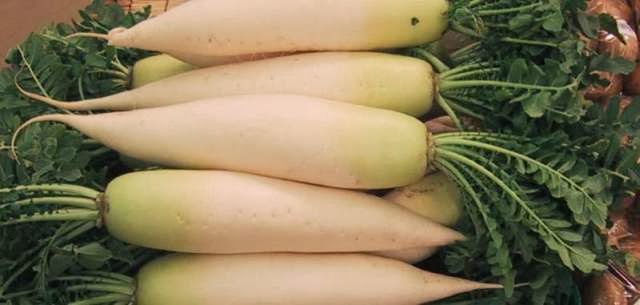
Maturity Signs and Harvesting of Radish

Maturity Sings of Radish:
1. European type is ready for harvesting within 30 days from sowing and Asiatic type within 45 to 60 days from sowing.
2. At this stage roots are mild, tender and crisp and usually of the proper marketable size.
3. Roots must be harvested before they become pithy, bitter and fibrous.
Harvesting of Radish:
In India, harvesting is done manually. A light irrigation may be given before harvesting to facilitate lifting of roots. The roots are washed, graded and tied in bunches. In advanced countries, commercial radish growers use a single row harvester that pulls the plants from the soil.

Read More 

Maturity Signs and Harvesting of Carrot

Maturity Sings of Carrot:
1. Depending upon variety carrot become ready for harvesting within 100 to 120 days from sowing.
2. Depending in the variety, the desired size is the primary consideration in harvesting the roots.
3. Oversized roots are not acceptable.
4. Generally small to medium sized carrots are preferred.
5. At marketable stage carrots should have at least 2.5 to 4 cm diameter at the upper end.
Harvesting of Carrot:
Early carrots for the market are pulled out when they partly developed. They are normally du out, when the soil is sufficient moist with spade or a khurpi. The roots are trimmed and washed before sending them to the market.

Read more

Maturity Signs and Harvesting of Garlic

Maturity Signs of Garlic:
1. The crop may be harvested when the top turns yellowish or brownish and shows sings of drying up.
2. Crop gets ready for harvest in about 100 to 140 days after planting.
 
Harvesting of Garlic:
The bulbs lifted manually, cleaned and the leaves are tied at the top. The bulbs are dried for a week or so under shade.

Saturday, 26 January 2013

Tinicum's Community Supported Agriculture continues a tradition of fresh, local produce in Upper Bucks County

By Donna Henschel
Tinicum Community Supported Agriculture (CSA) has launched its first season as a community supported agriculture venture on the preserved farmland of the Schneiderwind Farm & Nursery in Upper Black Eddy, Pa.

It will offer fresh, naturally-grown fruits and vegetables to its subscribing members -- carrying on the tradition established over the last three years at the same location by Open Acres CSA.

Upper Black Eddy, Pa. - Tinicum CSA announced recently that community supported agriculture (CSA) will continue in 2013 at the Schneiderwind Farm & Nursery in Upper Black Eddy.

Gaining in popularity nationwide, CSA farms offer community members a chance to buy fresh, local, seasonal produce directly from their farmer by purchasing a “share” in the farm. Farm members then visit the farm each week from late May to early November to pick up their share of that week’s harvest.

The members share with their farmers in both the risks (such as an unusually difficult growing season) and the many rewards of sustainable agriculture, which include an abundance of delicious, locally grown, healthful vegetables and fruits, aromatic herbs, and beautiful cut-your-own flowers – all grown without synthetic chemicals or pesticides.

Tinicum CSA is a partnership between Bucks County native John Crooke and Minnesota native Stefan Streit. They met last year while both were apprentices at Sisters Hill Farm, a CSA in Stanfordville, NY. Near the end of the 2012 growing season, Crooke and Streit made contact with Nate Walker, another former apprentice of Sisters Hill Farm.

At the time, Walker and his partner, Heather Brady, were managing Open Acres CSA at the Schneiderwind Farm & Nursery in Upper Black Eddy, but they had decided to relocate to New York City at the end of the 2012 season.

Walker introduced would-be CSA farmers Crooke and Streit to his landlord, Craig Schneiderwind. All five of them saw a beautiful opportunity in this convergence, and over the past several months, they have been working closely together to ensure a successful transition from Open Acres to Tinicum CSA.

“We can tell that Nate and Heather had a great time working with Craig and flourished in the midst of a dynamic community of folks who care about tasty veggies and sustainable food options,” said Stefan Streit, Tinicum CSA co-manager. “I’m excited to step into a CSA that already has all the infrastructure set up around a model that we know, and I can’t wait to meet some of the people who showed Nate and Heather so much support.”

What Tinicum CSA members can look forward to:
Community members may sign up for either a full share or a half share. Full share members visit the farm every week for 24 weeks to pick up their share of the harvest. Half share members pick up the same amount of produce per visit, but they pick up every other week. A typical share includes between 4 and 14 pounds of produce, featuring a seasonal assortment of more than 35 different crops. Crops include arugula, basil, broccoli, green beans, cabbage, cantaloupe, carrots, flowers, lettuce, onions, peppers, potatoes, winter squash, watermelons and many more.
Original Article Here

Monday, 14 January 2013

US Challenges Indonesia’s Agricultural Import Restrictions

On January 10, 2013, United States Trade Representative (USTR) Ron Kirk announced that the United States is requesting consultations with Indonesia under the dispute settlement provisions of the World Trade Organization (WTO) concerning trade-restrictive measures that appear to be designed to protect Indonesia’s domestic agriculture industry.

The USTR alleges that, in late 2011, Indonesia passed regulations establishing strict non-automatic import licensing requirements for horticultural products. Those regulations were revised in September 2012 to include even more onerous requirements for horticultural imports. The affected products include, but are not limited to, fruits, vegetables, flowers, dried fruits and vegetables and juices.

In addition, Indonesia has maintained a similar non-automatic import licensing and quota regime for beef and other animal product imports. Indonesia recently announced drastic reductions in quotas for beef and other animal product imports, further restricting access to the Indonesian market.

The USTR points out that, through these measures, Indonesia appears to be acting inconsistently with its WTO obligations, including under the General Agreement on Tariffs and Trade 1994 (GATT 1994), Agreement on Import Licensing Procedures and the Agreement on Agriculture.

"Indonesia’s opaque and complex import licensing system affects a wide range of American agricultural exports. It has become a serious impediment to US agricultural exports entering Indonesia, reducing Indonesian consumers’ access to high-quality US products," said Kirk.

Consultations are the first step in the WTO dispute settlement process. Under WTO rules, if the matter is not resolved through consultations within 60 days, the US may request the establishment of a WTO dispute settlement panel.
Original Article Here

Ukraine Increases Agricultural Exports

UKRAINE - In 2012, Ukrainian agricultural export increased by nearly 40 per cent, reaching US$17 billion, according to the Ukrainian Minister of Agrarian Policy and Food, Mykola Prysyazhnyuk.

Additionally, he noted that Ukrainian agricultural industry produces twice as much as is consumed by the domestic market. Comparably, the UK produces only 60 per cent of the food consumed in the country.

Ukrainian agricultural export in January - October 2012 included meat, fish, dairy, poultry, vegetables, vegetable oils, sugar, wine, nuts, apples, as well as 6.7 million tons of wheat worth nearly USD 1.8 billion, according to ukrstat.gov.ua. Major buyers of Ukrainian agricultural products in 2012 were the EU and CIS countries.

In late December 2012, the Financial Times noted Ukraine's potential in wheat, barley, corn, and sunflower seeds export. Notably, in 2011, Ukraine joined the world's top three grain exporters. A year prior - in 2010 - it landed fourth on the list of the leading grain exporters, following the USA, the EU, and Canada. Moreover, Ukraine currently ranks number one in global barley exports.

Additionally, the Eastern European country became the third largest corn supplier in the world in 2011, surpassing Brazil and being the second runner-up to the USA and Argentina. In 2012, China - the world's largest corn consumer - imported Ukrainian corn for the first time.

Suffice it to say that in 2011, Ukraine became the world's largest sunflower exporter, according to Erste Bank. The top consumer of Ukrainian sunflower oil is India - the country acquires around one quarter of the annual Ukrainian sunflower oil export, according to Ukragroconsult.

Given Ukraine's rich grain production in 2011, the country initiated the creation of the world's grain reserve under the auspices of the United Nations to ensure more efficient price regulation on the world grain market. Ukraine aimed to form a grain reserve of 10 to 12 million tons and use it for grain interventions.

ThePigSite News Desk

Friday, 11 January 2013

Flowers and Fruit


It's amazing how quickly things grow at this time of year, even in one day. There has been lots of progress since my last post on my vegetable garden, so here's a run down. Above are some sage flowers - I have two herb beds and planted a row of sage last year. I rather like the flowers, and have cut some off and put them in a vase. Some I left, for the bees.
In the herb bed next door are these chives, you can see marjoram and fennel in the background. I'm trying to grow a big clump of chives as you can use them instead of onions if they get big enough.
This is rocket, which was a salad plant until very recently. I really like the cruciform shape of these flowers and have added them to the flower vase. Some I left to make seed for next year - I'm a thrifty gardener and like to grow my own seed where possible. The parsnip seed I grew last year has now germinated well, which is pleasing.
The broad beans are in full flower now, and the peas have just started. Am looking forward to eating the first beans, which are now setting.
My plum tree is now covered in small green oval thingies - the first time it has flowered and set a good crop. On the apple front, the other tree which has struggled to flower but did so this year does not seem to have set any fruit - a real disappointment. I suspected a pollination problem so consulted my fruit book (Growing Fruit by Harry Baker, published by the Royal Horticultural Society and recommended for all UK fruit growers). I was right - Blenheim Orange is a poor pollinator and needs two other fruit trees as companions. I have two, but one of them is not compatible. I did have another tree but it got canker a couple of years ago so I had to dig it up - this was a companion pollinator, but I forgot why I had bought it. So this winter I will have to get another apple tree to ensure pollination next year. Apple trees can be tricky. Anyway, there are lots of apples on the other two trees, so all is not lost.


Many raspberries and strawberries are now set, the rhubarb is still going strong and there are faint tinges of red already on the redcurrants, so there is plenty to come.
Today I got back to a job I started a couple of months ago - building a path. I had to abandon it for a while due to a water main leak a few metres away, which turned the ground into a bog. So, the soil having dried and the planting all done, it was back to the bicep-building work. It's about half done now, a patchwork quilt of bricks from my neighbour's house. I make it a point of principle never to pay for any paving materials, but just scavenge where I can. I really don't do it properly, no spirit level for me, just make the ground roughly level and plonk things down - life's too short to be a professional builder as well as everything else. The plants on the left are courgettes, which are growing well now.


Today we picked lots (and lots) of lettuce, plus some spinach. I am keeping a record of pickings and working out retail prices of our crops, so for May the value was £29.00 which is pretty good for a fairly quiet month in vegetable terms. June will be a lot higher.

The wild rose on my plot has opened its first flowers, it has a weeping willow kind of shape and is really pretty when all the flowers are on it.
This is pink hawthorn which is now covering a number of the hawthorn trees nearby.
Finally, for the "ah" factor, here is a new foal I saw for the first time this afternoon. It was hard to get a picture as his mum generally kept him away by putting herself between us and him, but eventually he got brave and came round for a look at us.
Original Article Here

Chimney Soot, Flowers and Vegetables

I learned from the TV programme The Victorian Farm that coal soot was put on roses to prevent blackspot, so I thought I'd give it a try. This morning I carefully brushed some soot from my chimney and sprinkled it on the ground. It does make sense - I remember my grandfather complaining when I was a child that roses were not doing as well now fewer people were using coal - the sulphur apparently dealt with fungal diseases well. I'll let you know the result - hope to have good pictures of flowers in June.


On to the flowers - pink columbine (aquilegia). Round here these self-seed, I have mostly blue but also this pretty pale pink one. I also discovered a new dark pink one which wasn't there last year!


The woodruff is now in full bloom, with columbines growing through it in places. I don't think it's ever been as good as this. I planted it because the soil here is very poor, getting all the afternoon sun in the summer and the plant helps to prevent evaporation from the soil.


On to the vegetables now - the runner beans (below) and courgettes were putting roots out of their coir pots so I decided to get them in. The courgettes are under a cloche as they need a bit more heat to get going, but the runner beans (white emergo) have plenty of time so I've left them without protection. I have built two wigwams out of (domestically grown) willow and added a liberal amount of horse manure to the soil to help them along. We get free horse manure at the allotment (unlike our MPs who seem to spend a lot of our money on it!) - apparently it is pretty much impossible for local farmers/stables to sell it due to new regulations so every so often a new, steaming pile is dumped by the gate. It's good stuff, once rotted down for a year.


I also sowed some coriander today, from seed I saved from last year's crop - here's the bundle I hung up to dry in the house. You can just see the courgettes in the cloche behind it.


The lettuce is huge now and I decided to remove the cloche today, so they get watered naturally tomorrow. This is called Salad Bowl, and is a regular picking variety.


The Worcester Pearmain apple tree is in full flower now:


And finally, here is a close up of the whinberries which are flowering. Also known as bilberries, they are the native British blueberry equivalent. There are a lot of them on the moors round here, and I do go picking them in the summer. The flowers are very unobtrusive, but pretty when you look at them close up.


We have rain forecast for the next couple of days, so I got the organic slug pellets out and did my best to protect the runner beans, courgettes and lettuce from the coming onslaught. I just hope the toads and frogs will be equally active!


Posting may be sparse for the next couple of days due to the rain, sorry! I have to say that after my great gardening/walking spree over the last few days I'm looking forward to having a couple of days off - I'm knackered...
Original Article Here

Wednesday, 9 January 2013

The Goods: Garlic


Myth: Using fresh garlic is too much trouble to bother with.by Jackie Shank, MS, RD
It’s claimed this pungent bulb in the lily family wards off demons and keeps your heart healthy.
What’s the truth about garlic?
Fact: Nothing beats fresh garlic! First, don’t confuse a garlic bulb with a clove. You’ll be purchasing a single bulb (or several), and each bulb contains 10-20 individual cloves. Remove the papery skin and chop or mince. The finer the chop, the stronger the taste. Also, garlic added at the end of cooking will give a stronger taste than garlic added earlier.
Myth: Garlic keeps vampires, werewolves, and evil spirits at bay.


Fact: Probably not, but years ago people believed this partly because of garlic’s potent medicinal properties. Modern science has showcased garlic’s ability to fight infections and destroy harmful bacteria. And although the science is not conclusive, research shows promise for garlic’s capacity to lower blood pressure and cholesterol, and to thwart pre-cancerous lesions. Allicin is the natural chemical in garlic most responsible for the healing properties and pungent, sulfury flavor, and it becomes more available for the body’s use when garlic is chopped or crushed.


Myth: There is no remedy for garlic breath.


Fact: The browning enzymes in fruits and vegetables most prone to surface browning – apples, bananas, potatoes, and mushrooms – can transform those stinky garlic molecules lingering in your mouth into odorless bliss. So eating an apple or banana will help. Mouthwashes that contain chloramines may help as well.


Myth: Avoid handling garlic because your hands will smell bad throughout the day.


Fact: Try this trick after handling garlic: Rinse your hands in cool water and rub them along something stainless steel for 30 seconds - a sink is ideal, but a knife or spoon will also work. It seems the sulfur compounds in the garlic bind with the metals in the stainless steel and “lift” the garlic off of your fingers.


Myth: Garlic should be stored in the refrigerator.


Fact: Store garlic in a cool, dry place away from direct sunlight. Refrigerated storage diminishes the beloved garlicky flavor, and encourages more generic onion flavors. Also, refrigerated garlic is more prone to mold growth. Special “garlic keeper” pots are available in which to store whole bulbs and unused cloves to maximize storage life.


Jackie's BIO


Jackie Shank, MS, RD, LD/N, is the undergraduate nutrition program director in the Department of Nutrition & Dietetics at the University of North Florida. The department has about 250 students, both undergraduate and graduate, plus eight full-time faculty and several adjunct instructors. Areas of faculty research include obesity prevention, metabolic syndrome, cultural food patterns, nutrition education in underserved populations, HIV/AIDS, and eating disorders. 


A Great Chicken Garlic Reciepe
Chicken with 40 Cloves of Garlic


This classic dish is French comfort food at its simple and satisfying best. 
2 (3-pound) whole chickens
1 tablespoon butter
1 tablespoon extra-virgin olive oil
½ teaspoon salt
¼ teaspoon freshly ground black pepper
40 garlic cloves, peeled
1¼ cups fat-free, less-sodium chicken broth
1 cup dry white wine
24 (¼ inch-thick) slices diagonally cut French bread baguette
Chopped fresh flat-leaf parsley (optional)


Remove and discard giblets and neck from chickens. Rinse chickens with cold water; pat dry. Trim excess fat; remove skin. Cut each chicken into 8 pieces. Combine butter and oil in a 12-inch nonstick skillet over medium-high heat. Sprinkle salt and pepper evenly over chicken. Add half of chicken pieces to pan; cook 2 minutes on each side or until golden. Remove chicken from pan; keep warm. Repeat procedure with remaining chicken.


Reduce heat to medium. Add garlic; cook 1 minute or until garlic begins to brown, stirring frequently. Arrange chicken on top of garlic. Add broth and wine; cover and cook 25 minutes or until chicken is done.


Remove chicken from pan; keep warm. Increase heat to medium-high; cook 10 minutes or until liquid is reduced to about 1 cup. Serve sauce and garlic with chicken and bread. Garnish with chopped parsley, if desired.


Yield: 8 servings (serving size: about 4 ounces chicken, 2 tablespoons sauce, 5 garlic cloves, and 3 bread slices)


Note: In a pinch, you can substitute six pounds of chicken pieces. The garlic softens in flavor as it roasts and is easy to spread over the baguette slices. Serve with steamed vegetables or salad.


Nutrition facts per serving: 343 calories, 13.7gms total fat (3.6gms saturated fat), 2gms fiber, 111mgs cholesterol, 2.3mgs iron, 468mgs sodium.
Original Article Here

Management of thrips in garlic

Garlic is widely used as a condiment in Indian cuisine, especially for its medicinal properties.

It is grown in Maharashtra, Gujarat, Rajasthan, Orissa, Madhya Pradesh, Utter Pradesh, Punjab, Haryana and Tamil Nadu (Nilgiris and Kodaikanal hills).

Among the insect pests, the onion thrips, Thrips tabaci is a major one injuring garlic.

Damage symptoms

Both nymphs and adults cause injury to the plants by sucking the vital leaf sap.

They remain in dense concentrations at leaf bases and whorls and feed by lacerating the tissues and imbibing the oozing cell sap.

The infestation develops a spotted appearance on the leaves, subsequently turning into silvery white blotches. The leaf tips fade and the basal portions get blighted and distorted from tip downwards and finally the plant dries up. The affected plants yield less, with small sized bulbs.

Adults are slender, yellowish brown and measure about 1mm in length and have narrow fringed wings.

Eggs are laid singly in tender leaves by making slits with sharp ovipositors by the females.

A single female lays 40-50 eggs which hatch after 4-9 days. The entire life cycle is completed in 11-21 days. There are more than ten generations per year. The pest occurs on garlic from November to May and migrates to other crops from June.

Management

Varieties with open type growth and circular leaf structure are not preferred by thrips.

Tolerant varieties of Garlic viz. G-2, G-19, LCG-1, Ooty-1 may be utilised for cultivation.

Higher doses of nitrogenous fertilizers and close planting should be avoided.

Clean cultivation, regular hoeing and flooding of infested field will check the thrips population.

Insect predators like green lacewing fly and tiny ladybird beetles check the population of this pest.

Application of profenofos or malathion 0.05 per cent, methyl demeton 0.025 per cent , monocrotophos 0.036 per cent, formothion 0.025 per cent, dimethoate 0.03 per cent, carbaryl 0.1 per cent or phorate 10G at 10kg/hectare could control the pest.

(J. Jayaraj, associate prof and R.K. Murali Baskaran Professor & Head, Dept of Entomology, Agricultural College and Research Institute, Madurai 625 104, email: vu2jrj@rediffmail.com, phone: 0452- 2422956 Extn: 214.)
Original Article Here

LinkWithin

Related Posts Plugin for WordPress, Blogger...