Showing posts with label Denmark. Show all posts

Wednesday, 27 June 2012

Few colors planted by birds


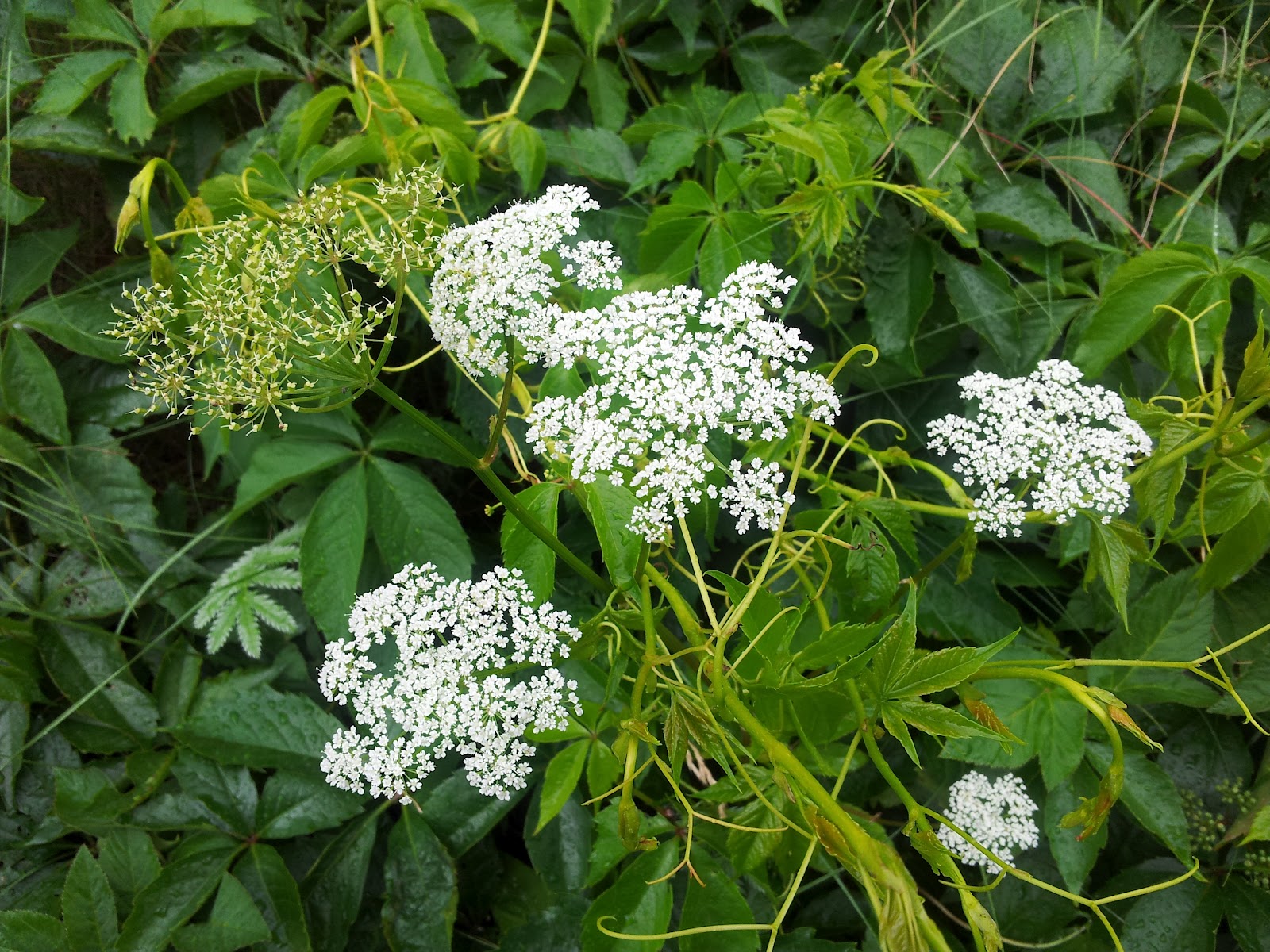
 I was waiting for my train near Orestad station in Copenhagen , I noticed few weeds, plants along side the banks of rail track, I am astonished apart from a creeper  , all other plants seemed to be wild or might be birds have planted these seeds here and they got some humidity and they started growing. Yes nature have beautiful colors and enjoy the wild beauty of few plants as they always remained un attended, un, noticed like a stranger in copenhagen. 
 Photo and story (Ramzan Rafique)


Sunday, 17 June 2012

Is Sustainable Agriculture something to do with ecology?


Is Sustainable Agriculture something to do with ecology?

By Frederick Thalbitzer 


It asked guests at the Sustainable Agriculture booth at the People sitting President.
- People ask about Sustainable Agriculture has nothing to do with ecology, and so I reply that it has that too. But we'll tell you what the Danish agriculture, if we are treated as industry and evaluated our output instead of on our input.
How telling Sustainable Agriculture President Flemming Fuglede from the People's meeting on Bornholm, where the association also distributes postcards about what Bornholm could drive it, if only they had the same framework as in Germany.
According to Sustainable Agriculture Bornholm could get a total additional profit of 180 million. annually, partly by expanding the plant and livestock production, and when you expect the derivative effect in dairies, slaughterhouses, and handicraft and service companies.
Here are most aware that agriculture carries a large part of the Danish economy.
- We argue that everyone in a democracy are allowed to be treated factually correct, and we are not, says Flemming Fuglede., 

Source . Danish agricultural news 

Danish dairy industry


Exports of dairy products account for more than 20 percent of all Danish agricultural exports.
The Danish dairy industry consists of the international dairy group Arla Foods and 30 smaller dairy companies, together processing 4.7 billion kg milk from a total of 61 production plants in Denmark.
Cooperatively owned by Danish and Swedish milk producers, Arla Foods is Europe’s largest dairy group. The Arla  group processes more than 90 percent of the Danish and two thirds of the Swedish milk pool. It also runs dairy operations in a number of other countries, with Arla UK plc as its biggest business.
The remaining 30 Danish dairies are evenly distributed between cooperatively and privately owned companies. The small dairies typically specialise in various product areas within cheese, butter and liquid milk production. A large part of their production is exported by specialised exporters.
The value of all Danish dairy exports totals EUR 1.8 billion annually. The domestic market is, to a large extent, a market for domestic dairy production, although imported cheese and yoghurt now account for approx. 25 percent and 20 percent, respectively, of total domestic consumption. The market share of foreign milk remains moderate.
Like the processing sector, the Danish milk producers have seen tremendous structural change, with production now taking place on a small number of large farms. In 2010, approx. 4,100 dairy farmers each had an average of 127 cows and a milk quota of 1,142 tonnes. This places the Danish dairy farmers among the largest and most modern in Europe. More than half the cows live in new loose-housing systems.
Exports of dairy products, in particular cheese, preserved milk products and butter, account for more than 20 percent of all Danish agricultural exports. The largest market for Danish dairy products is the other EU countries.

source. Danish food and agriculture council 

A new way of looking at Danish agriculture


The high profile campaign, spearheaded by the Danish Agriculture and Food Council, takes its starting point in the Council’s vision for "Growth in Balance" and portrays Danish agriculture as benefiting society by reducing climate impact, improving the environment and generating sustainable energy. In short, agriculture is in balance with the needs of society and has the potential to generate substantial export revenues.
- The campaign is designed to give the public a more nuanced perception of Danish agriculture, says Lisbeth Olsgaard, Head of Branding at the DAFC.
- In addition to encouraging improvements on farms and in our member companies, we’re using TV commercials, advertisements and outdoor media to get our message across. Much of the content of the campaign will be focused on what the agriculture and food industries can offer society and what they mean to Denmark’s economy as a whole.  Our industry should be known for all its positive aspects and for the fact that it translates words into action when it comes to tackling the challenges that confront us.

Source. Danish Food and Agriculture 

LinkWithin

Related Posts Plugin for WordPress, Blogger...